
Understanding app technologies and using them sensibly.
Today, modern apps are created on very different technological foundations. Depending on the requirements in terms of performance, functions, scalability and user experience, web applications, native apps or hybrid apps are used. Choosing the right technology not only influences development and maintenance, but also UX/UI, expandability and long-term digital processes. This is precisely why it is worth taking a closer look at the differences and the respective advantages and disadvantages of the individual approaches.

Native, web and hybrid apps in comparison
Native apps
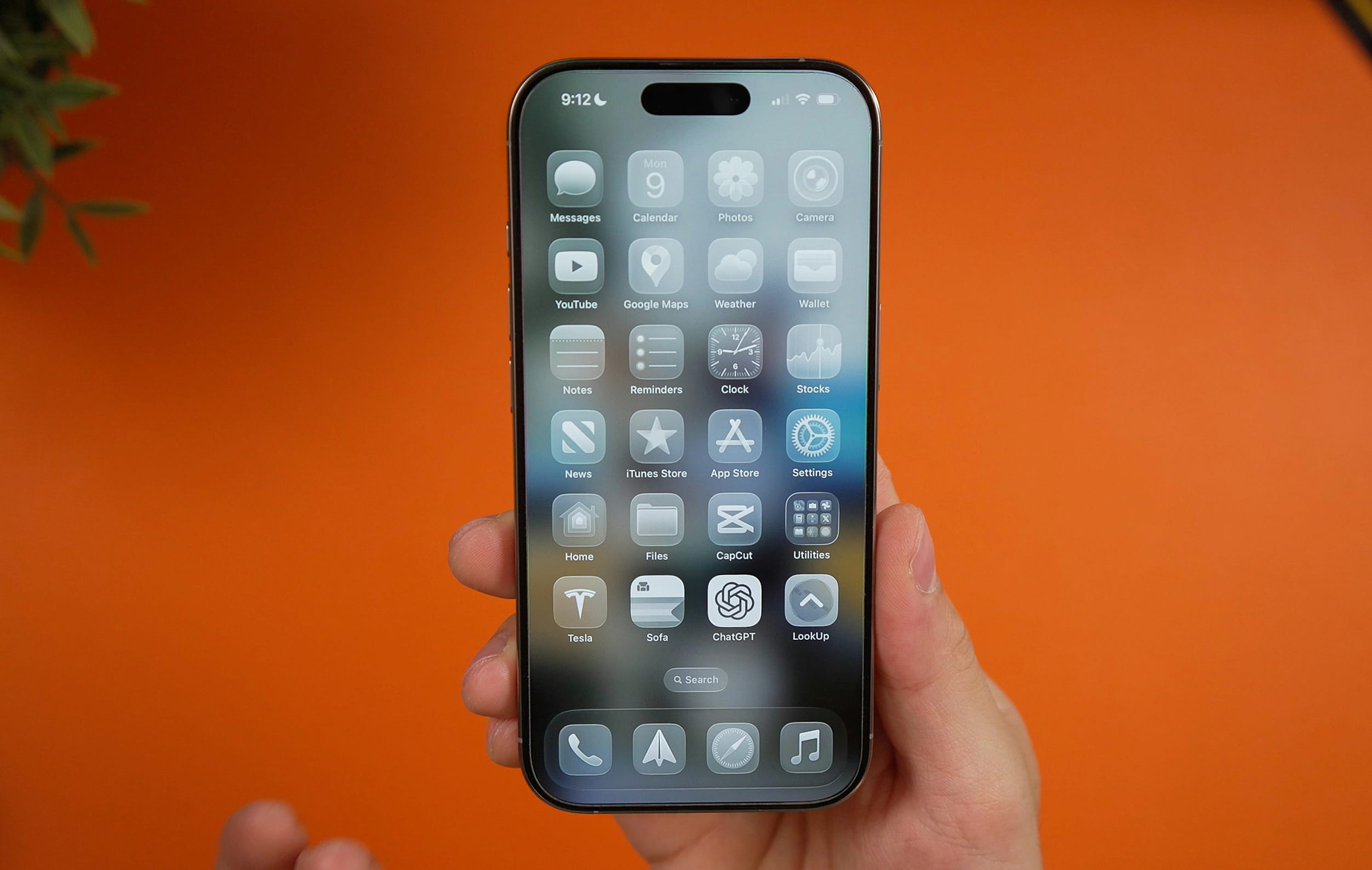
Native apps are developed specifically for an operating system such as iOS or Android and made available via app stores. They run directly on the respective device and therefore offer the best performance, short loading times and a very precise UX/UI. One clear advantage is the direct access to device functions such as camera, microphone, GPS, push notifications or biometric authentication. This makes native apps particularly suitable for complex applications, high interaction and long-term scalable app projects. The main disadvantage is the higher upfront investment, as development, testing and technical architecture usually have to be planned on a platform-specific basis.
Web apps
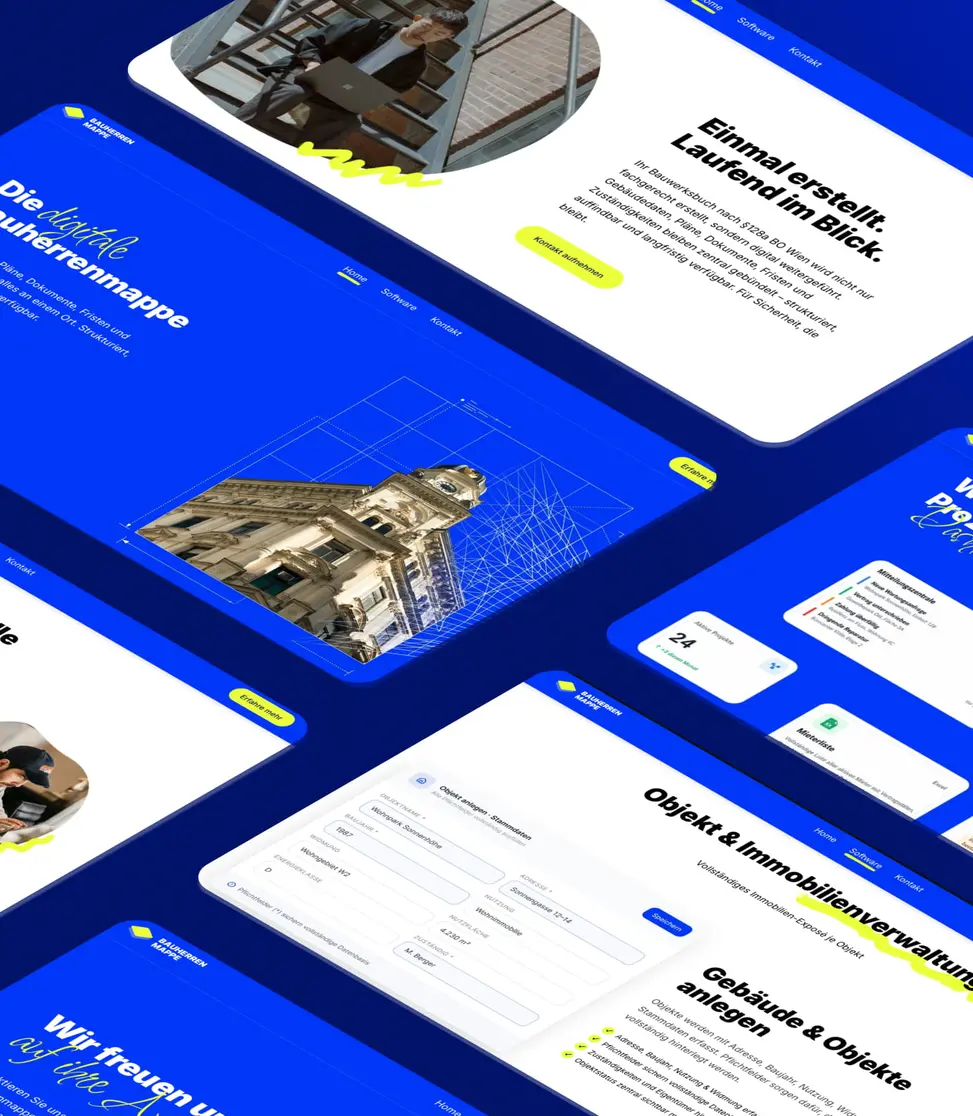
Web apps run directly in the browser, for example via Safari or Google Chrome. They do not need to be downloaded from an app store and do not take up any additional storage space on the device. As they are platform-independent, they can be developed, maintained and updated centrally. This makes web apps particularly efficient for digital platforms, internal tools, content offerings or applications with a wide reach. At the same time, they usually require a stable internet connection. Loading times, offline use and access to native device functions are also more limited compared to native apps.
One example of this is our SPAR app. The data is obtained from the backend via JSON API feeds and processed directly in TYPO3. This means there is no duplicate management of content, actions or assets. Content can be maintained centrally and played out efficiently via various digital channels.
Hybrid apps
Hybrid apps combine web technologies with a native app structure. They are usually developed with a shared code base and can be published via app stores. This reduces development costs, simplifies releases and enables a faster market launch. The disadvantage is the limited access to native functions as well as limitations in terms of performance, loading speed and complex UX/UI. If native functions are not at the centre of the application, hybrid development can still be a sensible and efficient approach.
Which app technology fits best depends not only on functions and budget, but above all on which target group you want to reach, what added value the application should offer and which setup is scalable in the long term. A clear view of usage scenarios, content structures, technical requirements and future development is crucial. The better the strategy, UX/UI and architecture interact from the outset, the more stable the basis will be for an app that not only works, but also creates real benefits in everyday life.
Das hängt von den Anforderungen der Anwendung ab. Native Apps eignen sich für hohe Performance und komplexe Funktionen, während Web oder hybride Apps oft schneller und effizienter umgesetzt werden können.
Web Apps eignen sich besonders für Content-Plattformen, interne Tools oder Anwendungen mit hoher Reichweite, bei denen schnelle Updates und zentrale Verwaltung wichtig sind.
Eine saubere technische Architektur sorgt dafür, dass Inhalte, Funktionen und Schnittstellen langfristig erweitert und effizient verwaltet werden können. Das reduziert späteren Entwicklungsaufwand und schafft eine stabile Basis für zukünftige Anforderungen.
Apps werden täglich genutzt und müssen schnell, intuitiv und reibungslos funktionieren. Eine durchdachte UX/UI entscheidet oft darüber, ob Nutzer die App regelmässig verwenden oder wieder löschen.
In vielen Bereichen ja. Besonders bei Content-Plattformen oder digitalen Services bieten moderne Web Apps bereits sehr starke Funktionen. Bei komplexen Interaktionen oder tiefen Geräteintegrationen bleiben native Apps jedoch im Vorteil.