
Web design trends 2026.
More expression. More interaction. More experience.
Do you remember when a simple shadow on a button looked modern? Or when parallax scrolling suddenly turned a flat website into a digital experience? Many design elements that were innovative just a few years ago are now standard. Dark mode, colour gradients, micro-animations and playful interactions are no longer extras - they are expectations of a modern website. Looking ahead to 2026, the boundaries are shifting again. Websites will become bolder, more spatial and more interactive. They will tell stories, respond to user behaviour and create digital experiences that not only work, but are memorable.

5 Trends 2026.
The year 2026 brings a breath of fresh air to the world of web design. While minimalism dominated for a long time, there is now a clear shift towards more expression, interaction and emotional appeal. Five trends stand out in particular:
1. courage to use colour
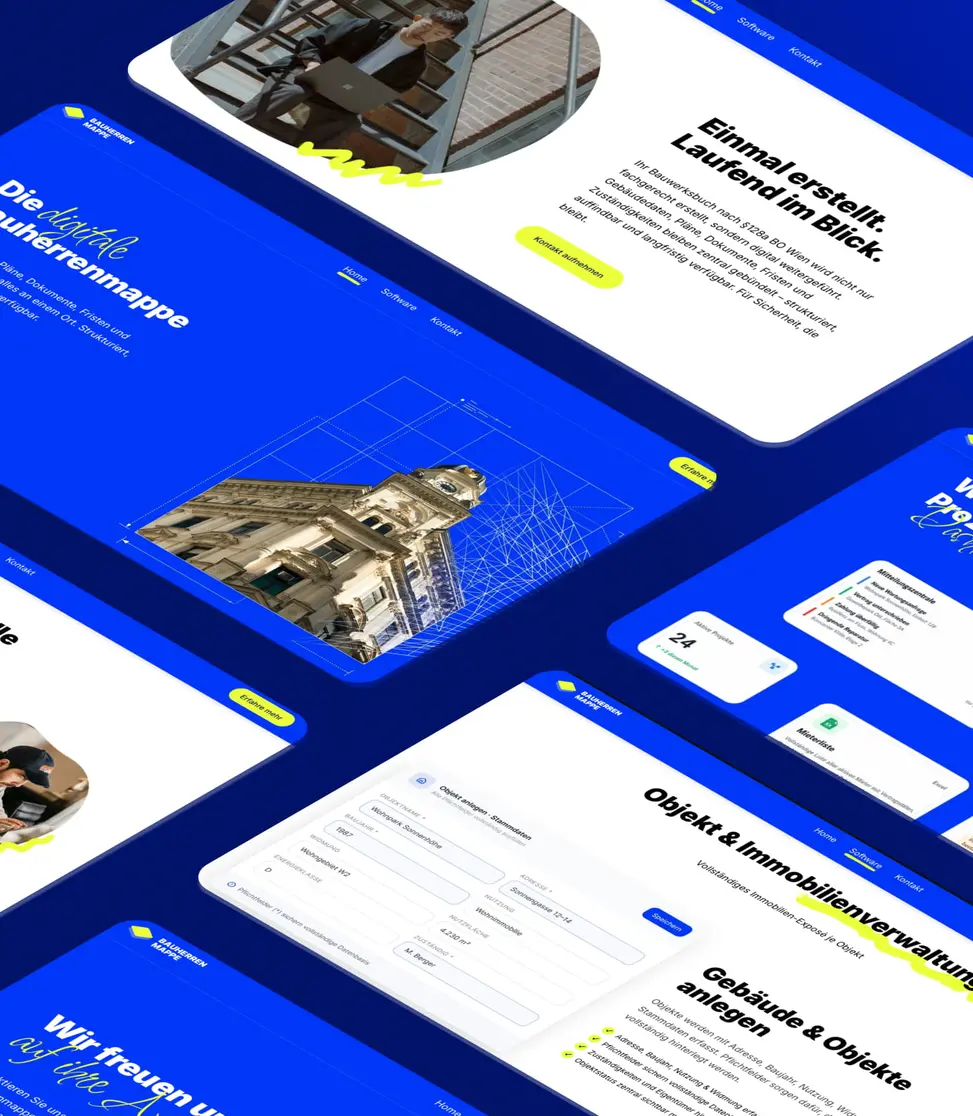
Colour is becoming loud again - and deliberately so. Bright, saturated colour palettes are making a comeback and replacing the muted and minimalist designs that have long prevailed. Inspired by Y2K aesthetics, retro patterns and so-called "dopamine design", designers are focusing on neon gradients, strong contrasts and playful colour combinations. Brands from the lifestyle, beauty and youth culture sectors in particular are utilising this trend to generate attention and arouse emotions. OurRauch project shows how dynamic colour gradients can be used in a targeted way to enhance visual excitement and brand character.
2. motion as a storytelling tool
Motion is becoming a central design element. Motion design gives websites rhythm and supports the visual narrative. Whether subtle hover effects or complex "scrollytelling" experiences - animations specifically direct attention, guide users through content and create a dynamic user experience. Used correctly, they not only enhance aesthetics, but also usability. Our projects Smoke and APGshow how animations can be used specifically for user guidance.
3. subtle depth and a haptic feel
Another exciting trend is neumorphism. This style combines the realistic design of skeuomorphism with the clarity of modern interfaces. Soft shadows, fine gradients and reduced contrasts create elements that appear slightly raised or depressed - almost as if they could be touched. This approach is used in particular for interfaces that are intended to convey a high-quality and calm impression. Our projects RauchandInnerhoferprojects work with subtle depth effects and reduced UI design.
4. darkmode has long since become a standard feature of modern websites and apps
Instead of functioning merely as a design extra, it supports more pleasant use in poor lighting conditions, can save energy on OLED displays and gives digital interfaces a high-quality, minimalist look and feel. Many well-known platforms now offer users the option of switching flexibly between light and dark mode. This trend therefore also stands for more personalisation, better accessibility and digital experiences that adapt more to individual needs. Our website Inscript shows how dark mode can be used in a targeted way to make content appear high-contrast, calm and modern.
5. navigation becomes an experience
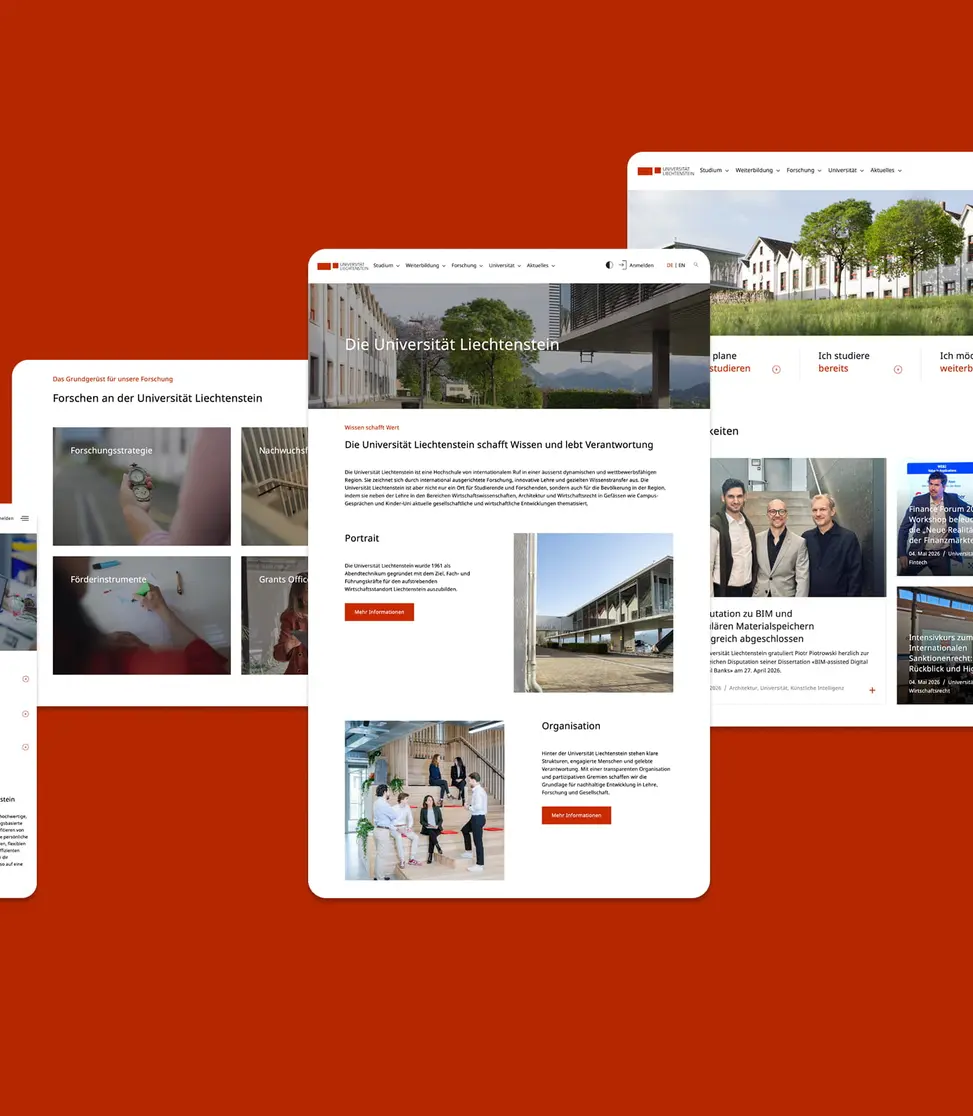
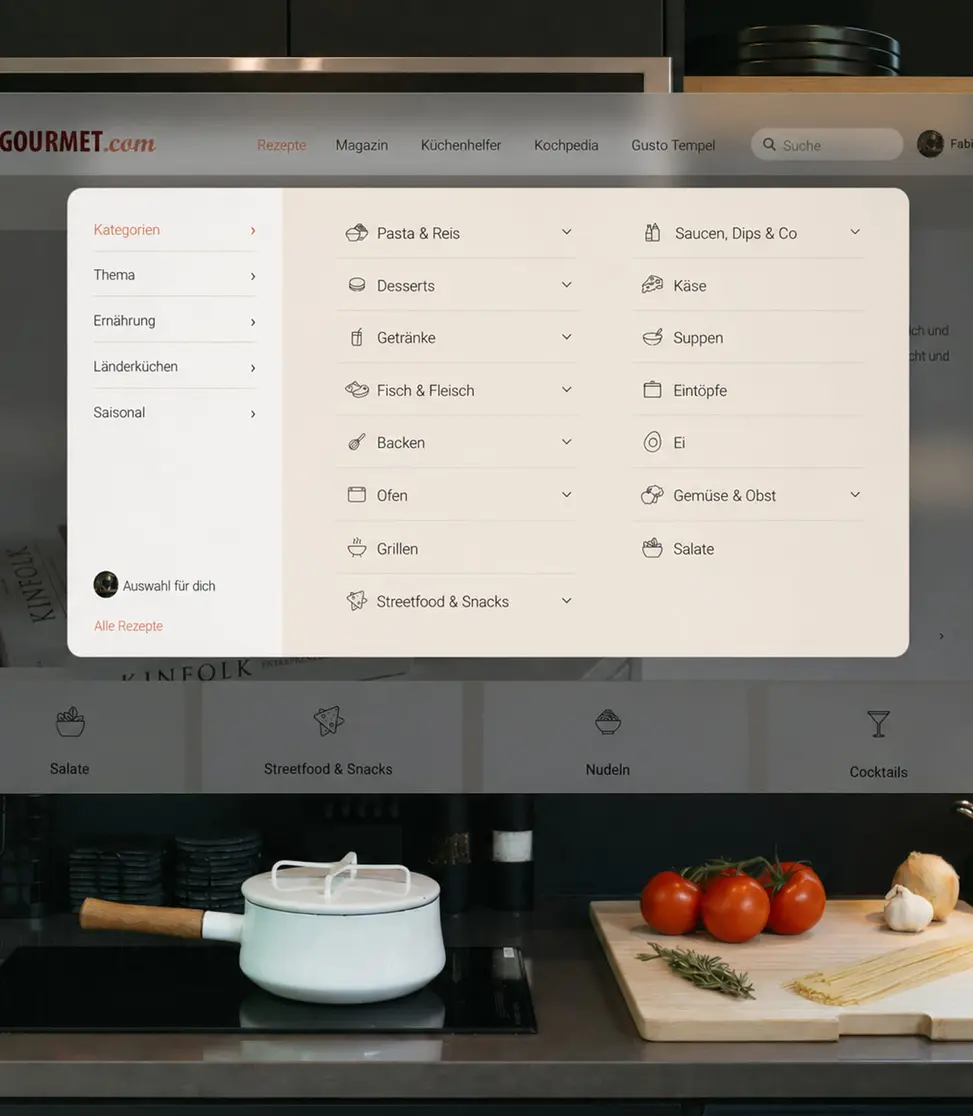
Not every website today still follows the classic "Home/About/Contact" principle. Designers are increasingly experimenting with forms of navigation that feel less like a linear menu structure and more like a journey of discovery. Radial menus, hidden drawers, interactive maps or non-linear user guidance make the journey through the website itself part of the experience. This creates more space for storytelling, individuality and playful interaction. Our projects 11er and Raumplus show alternative navigation concepts that guide users intuitively through content.
Current design trends help to keep digital presences modern, user-friendly and competitive and to fulfil user expectations.
Start with your target group, your goals and your brand values. Should the appearance be bold, playful and eye-catching - or rather reduced, calm and trusting? It is also crucial whether a complete relaunch is planned or only individual design elements are to be modernised. Trends should always match the brand and create clear added value for users.
Motion design can bring content to life and guide users through a website in a targeted manner. Subtle animations, hover effects or scrollytelling help to draw attention and make digital experiences more intuitive.
Ja. Accessibility wurde von Beginn an tief in den Design- und Entwicklungsprozess integriert. Dadurch ist die Website heute zugänglicher und besser nutzbar für unterschiedlichste Anforderungen und Endgeräte.