

We help Torealize your vision


Conception
For us, strategy is a structured digital process — not just “a few wireframes”, but the path from the initial idea to a setup that works in practice and can grow over time. We always start with a clear understanding of your business, your target groups and your goals. In the kick-off, we gather the right information, refine the shared vision, and define priorities as well as success criteria. This creates a clear direction from the outset — one that not only sounds convincing, but also provides a solid foundation for design, development and marketing further down the line.
Building on this, we develop the structure and user guidance: information architecture, user journeys, content and features — all designed to help users reach their goals quickly while enabling your team to run the website or platform efficiently. From this UX logic, we create a cohesive UI: screen design, interactions, and a consistent component and design system that extends cleanly across pages, modules and future enhancements. We do not only design the frontend, but always consider the mechanics behind it as well: which content is static, which is dynamic, what data is required, and where automation adds real value.
At the same time, we plan the technical architecture in a way that keeps it maintainable and future-ready.
Whether it is a classic setup or a headless architecture, we define data models, roles and permissions, performance and SEO requirements, and consider interfaces from the very beginning. If a CMS, shop system, PIM/ERP, CRM, DAM or internal services are involved, we make sure integrations are not just “connected somehow”, but implemented in a way that is stable, transparent and extensible. And if AI is part of the solution, it is not bolted on as an add-on, but designed as a workflow: with clear inputs, defined rules, quality checks and structured outputs — from automated alt texts and translations to the processing of information that is prepared properly and fed back into the system in a structured way.
The result is a concept that is ready for implementation: with a clear roadmap, realistic milestones and a well-structured task setup that transitions directly into execution. Project management keeps the overall picture in view, coordinates decisions and ensures that timing and quality stay aligned. This is how strategy becomes the foundation for digital solutions that not only look good, but are technically sound, work reliably in everyday use and scale over the long term.








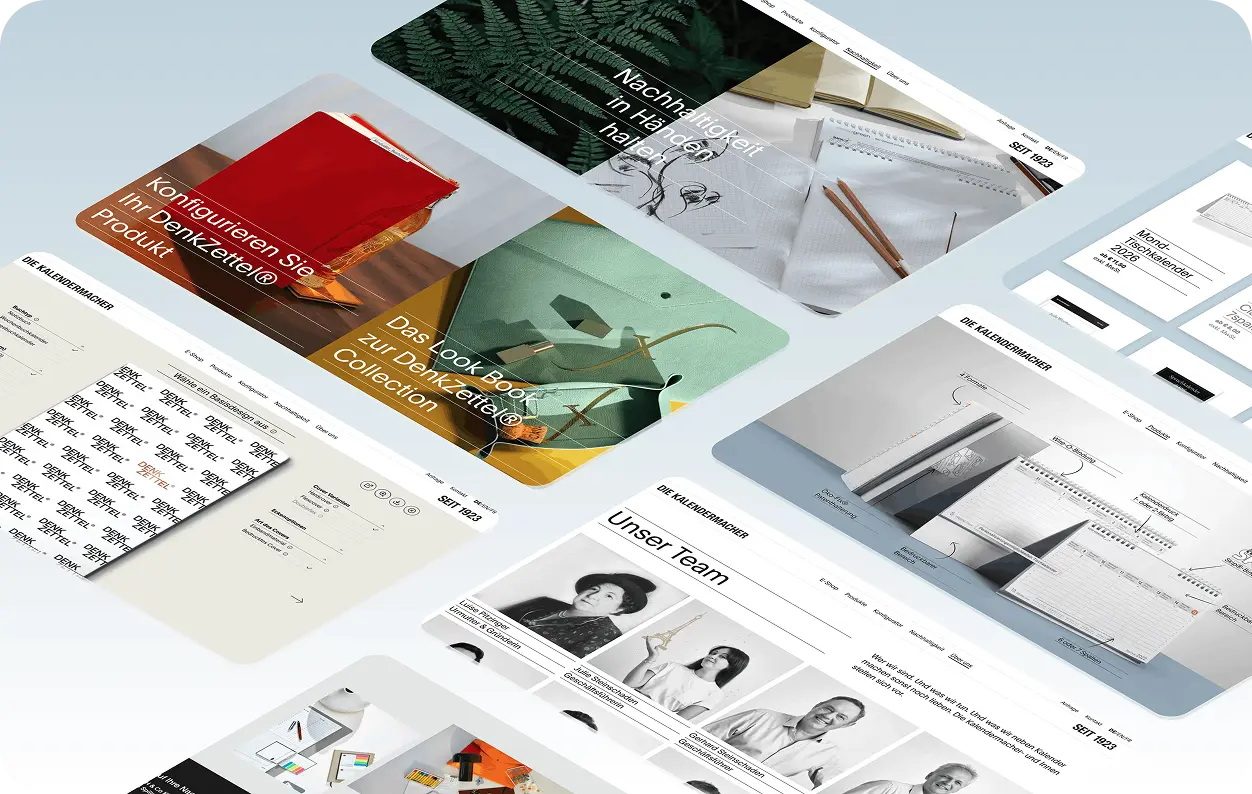
Kalendermacher
Kalendermacher shows how customisable print products and digital processes can be seamlessly combined. A configurator that brings products to life and…

INJOBS – Recruiting der Zukunft
INJOBS ist eine moderne Bewerbermanagement-Software, die dein Recruiting digital, effizient und datenschutzkonform gestaltet. Alle Bewerbungsdaten…
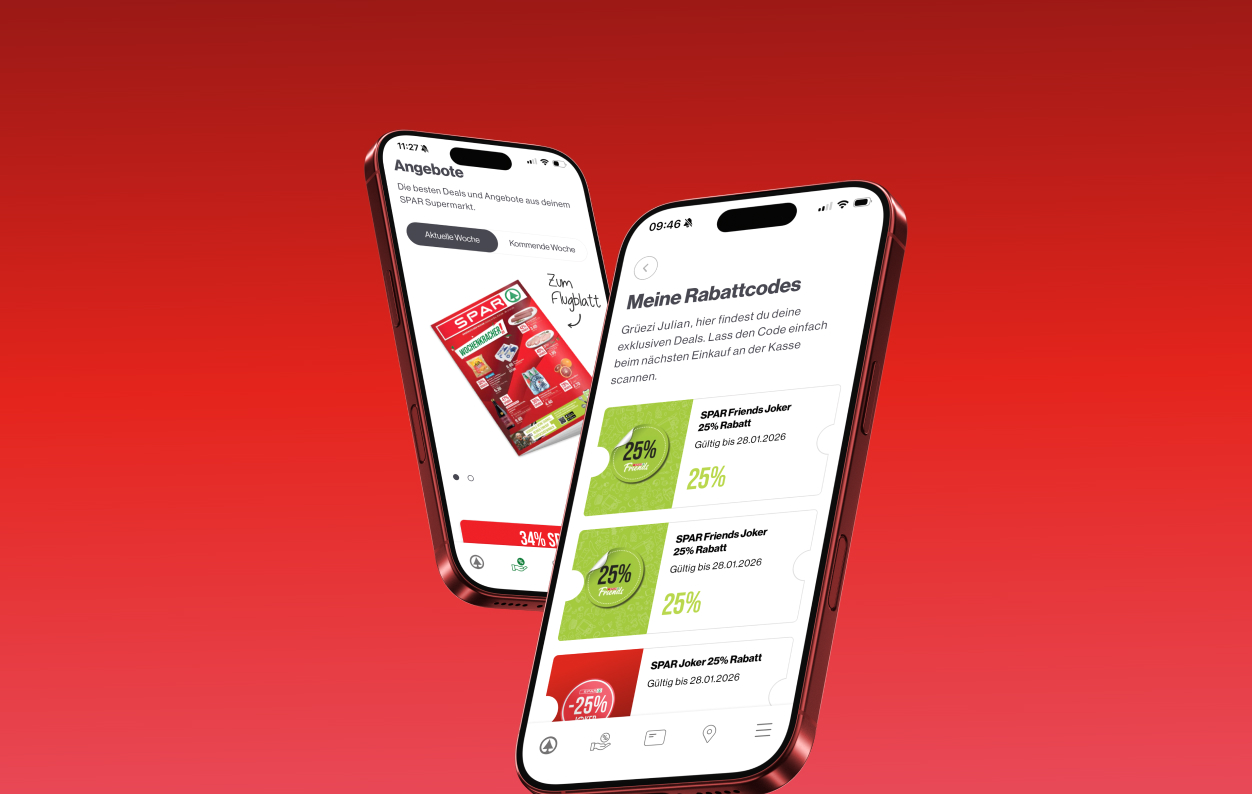
SPAR App Launch
With the new SPAR Switzerland app, a central digital touchpoint has been technically reorganised. Find out how a scalable architecture,…