

Fable 5 & Mythos 5: Why security needs to be rethought
A simple developer command has thrust two AI models into the centre of a security debate: Fable 5 and Mythos 5. Both represent a new generation of AI that not only generates text, but can also understand, analyse and improve code. This is precisely where the controversy lies. For what sounds like practical assistance in day-to-day work can quickly become a grey area in cybersecurity. This case illustrates why AI security in future will mean not only using models, but also consciously controlling their capabilities.
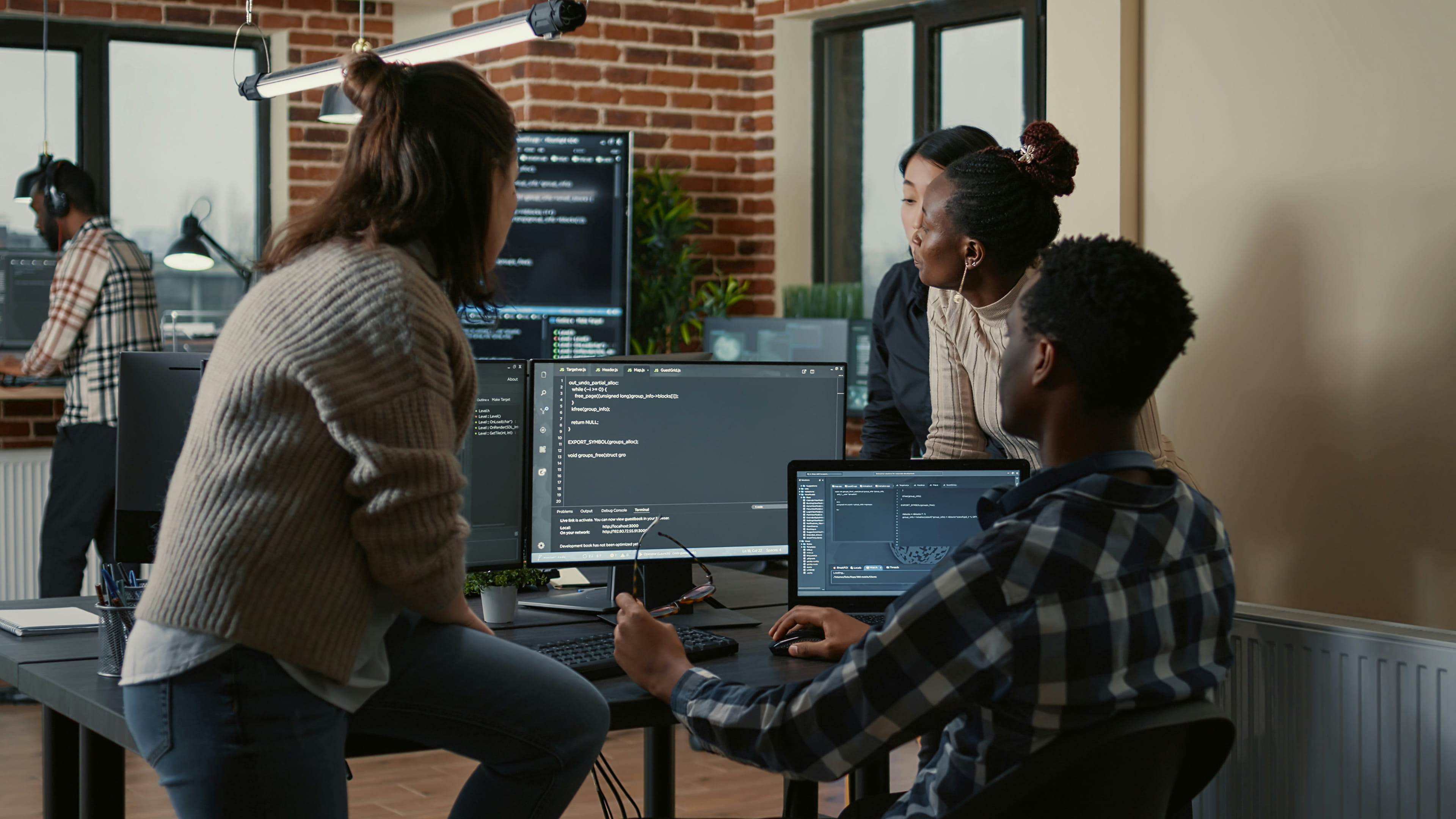
Fix this code: The harmless sentence that poses a security risk
The case involving Fable 5 and Mythos 5 shows just how quickly code AI can become a security issue. One of the triggers for the debate was a seemingly simple prompt such as ‘Fix this code’. What sounds like standard developer assistance can have security implications, because when repairing code, an AI model often first identifies sources of error or potential vulnerabilities.
This is precisely why it is not enough to adopt AI-generated suggestions without checking them. It remains crucial that experienced developers review the functionality again, assess it from a technical perspective and, where necessary, rewrite it properly. Only in this way can code be produced that not only works, but is also secure, understandable and maintainable in the long term. For businesses, this means that AI can support and accelerate development processes, but it is no substitute for professional oversight. Particularly in the case of security-critical applications, quality is achieved through a combination of technical assistance, human review and experienced development work.
Fable 5 und Mythos 5 sind KI-Modelle von Anthropic aus der Claude-Modellfamilie. Sie wurden vor allem wegen ihrer technischen Leistungsfähigkeit und ihres Codeverständnisses diskutiert.
Fable 5 ist breiter einsetzbar, während Mythos 5 stärker auf spezialisierte technische Aufgaben ausgerichtet ist. Fable 5 steht eher für vielseitige Nutzung, Mythos 5 für technische Tiefe.
Die Modelle können Code analysieren, Fehlerquellen erkennen und Verbesserungen vorschlagen. Dadurch können sie bei der Softwareentwicklung helfen, aber auch sicherheitsrelevante Schwachstellen sichtbar machen.
KI kann Entwicklungsprozesse unterstützen, ersetzt aber keine erfahrenen Entwickler. Gerade bei sicherheitsrelevantem Code müssen Vorschläge geprüft, fachlich eingeordnet und bei Bedarf sauber überarbeitet werden.