
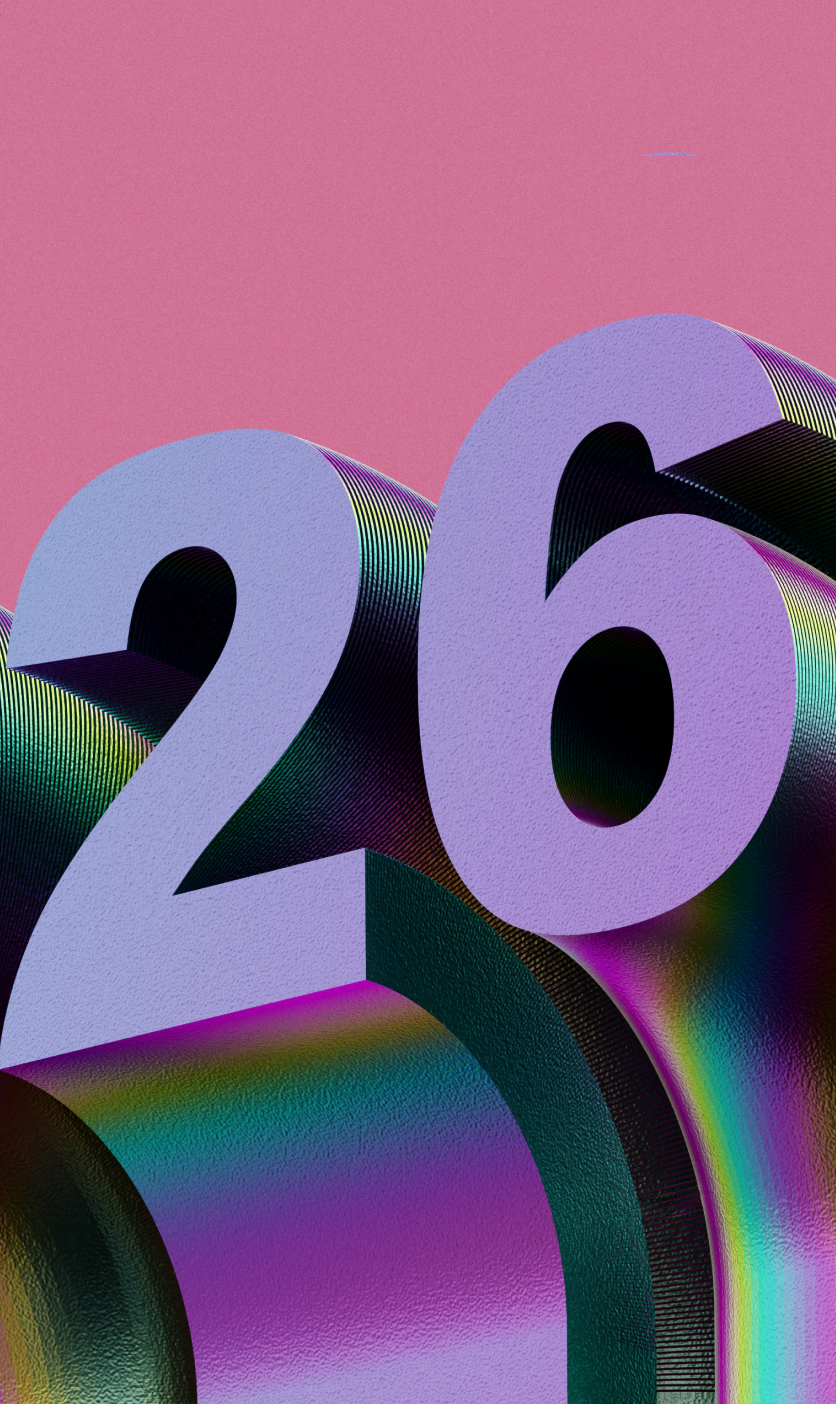
Design Trends 2026
The digital design year 2026 is all about balance. Between artificial intelligence and human creativity, between perfection and deliberate blurring, between immersive experiences and technical efficiency. New tools such as AI-supported design systems, node-based workflows and 3D technologies are significantly expanding the possibilities - while the need for meaning, personality and accessibility is growing. The key design trends are therefore less fashionable trends than responses to changing user expectations and an increasingly automated digital environment.

1. node-based AI design tools
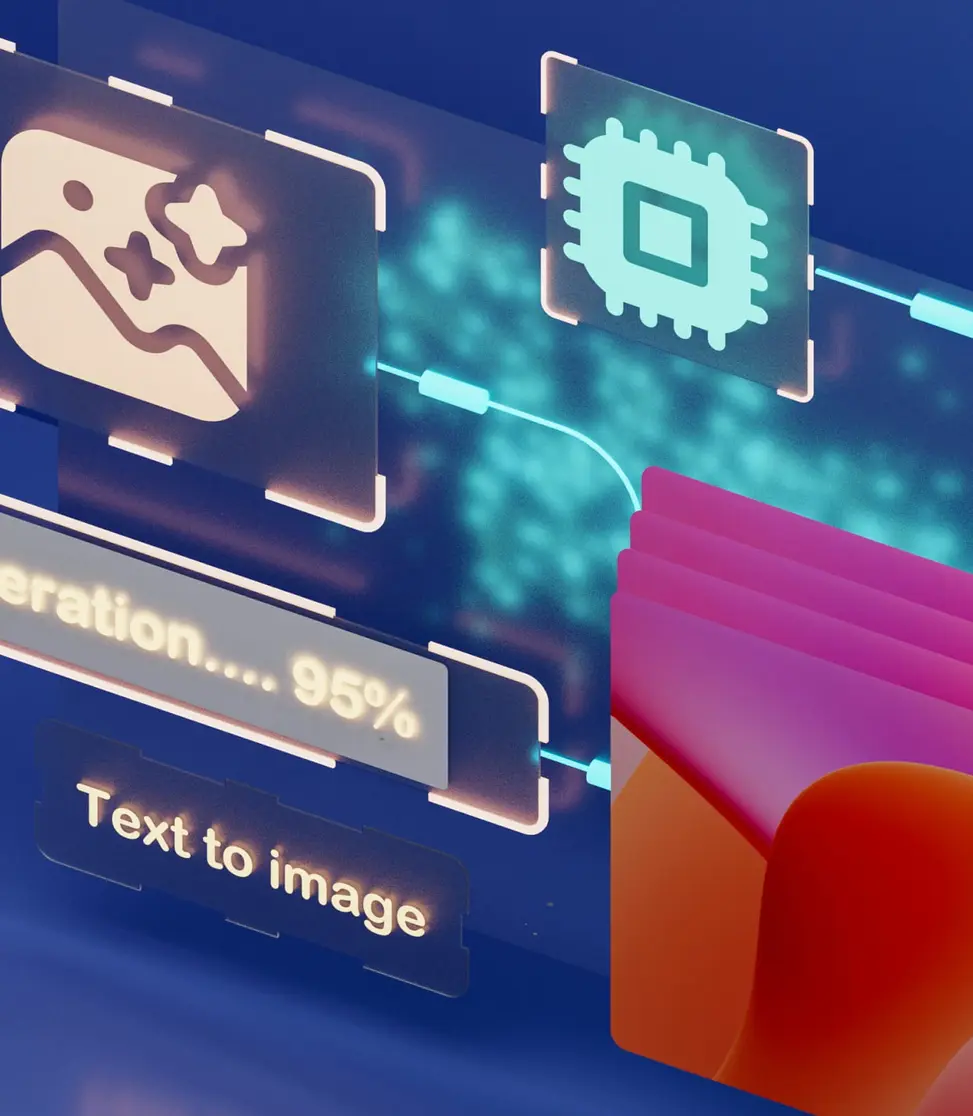
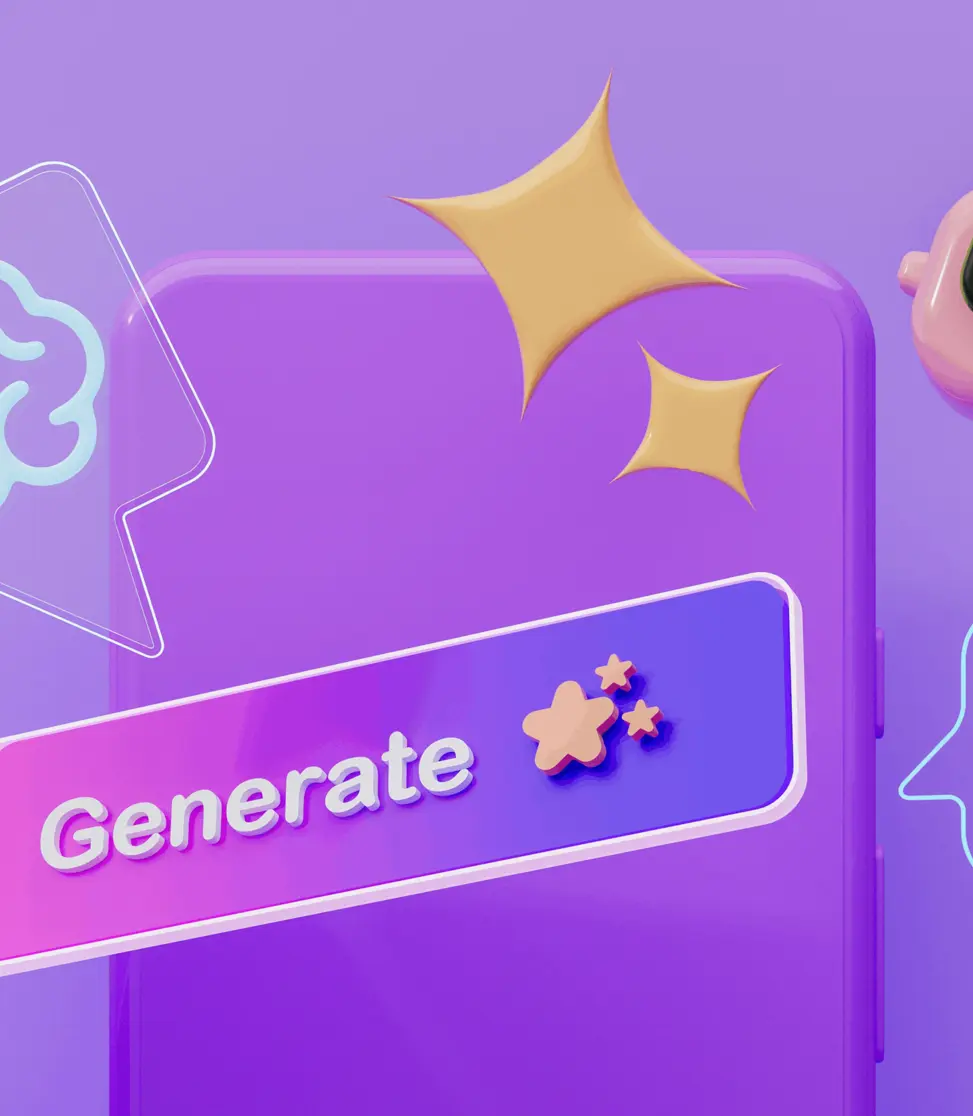
Node-based interfaces enable designers to build complex AI workflows visually. Models, prompts, data and logic can be connected, tested and further developed in a modular way. This not only makes design faster, but also more transparent and controllable. The focus shifts from manual execution to targeted control and curation of creative processes.
2. retro-, brutalist- & imperfect aesthetics
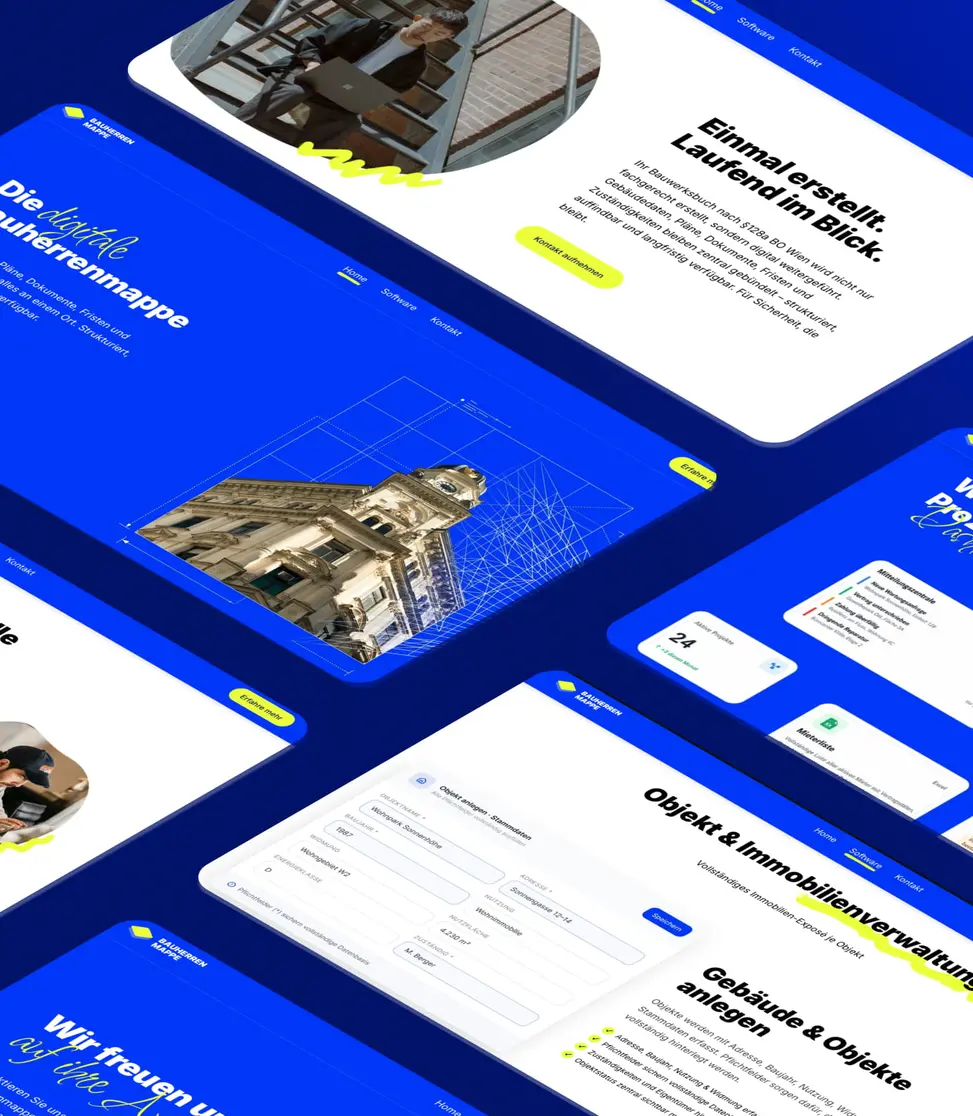
Rougher textures, visible grids, asymmetries and borrowings from the 90s characterise many digital surfaces in 2026. This deliberately imperfect aesthetic acts as a counterweight to the smooth, algorithmically generated design. It conveys attitude, authenticity and a clear visual signature, as long as it is used purposefully and not arbitrarily.
3. immersive 3D & spatial interfaces
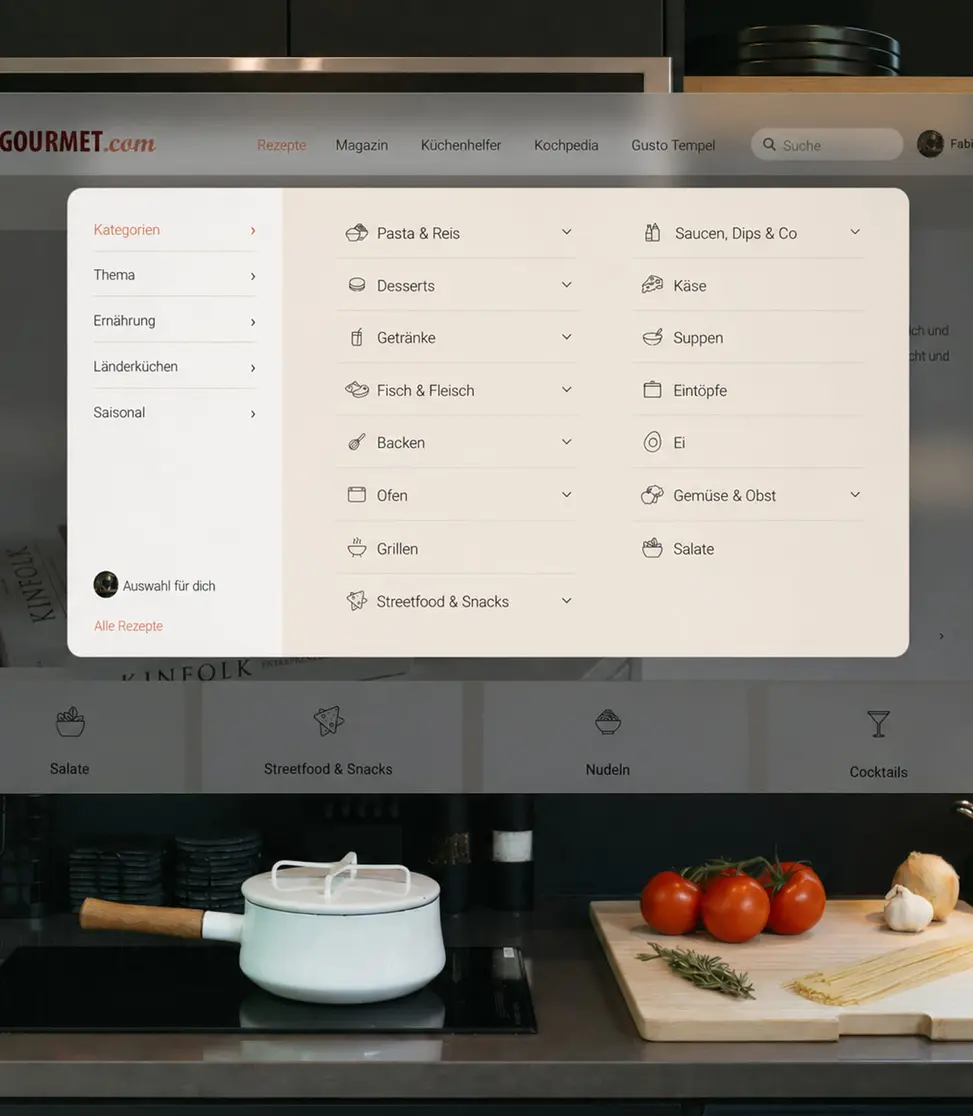
3D elements are increasingly becoming a natural part of websites and apps - from subtle depth effects to immersive, spatial experiences. Depth and movement support storytelling and interaction, create orientation and increase the emotional connection. A conscious approach to performance and usability remains crucial.
4. humanised & imperfect typography
Typography is once again moving away from pure precision and perfection. Organic shapes, hand-drawn details and slight irregularities bring warmth and personality to digital interfaces. These characterful fonts form a deliberate contrast to AI-generated visuals and help brands to appear more human and approachable.


5. neo-minimalism & micro-maximalism
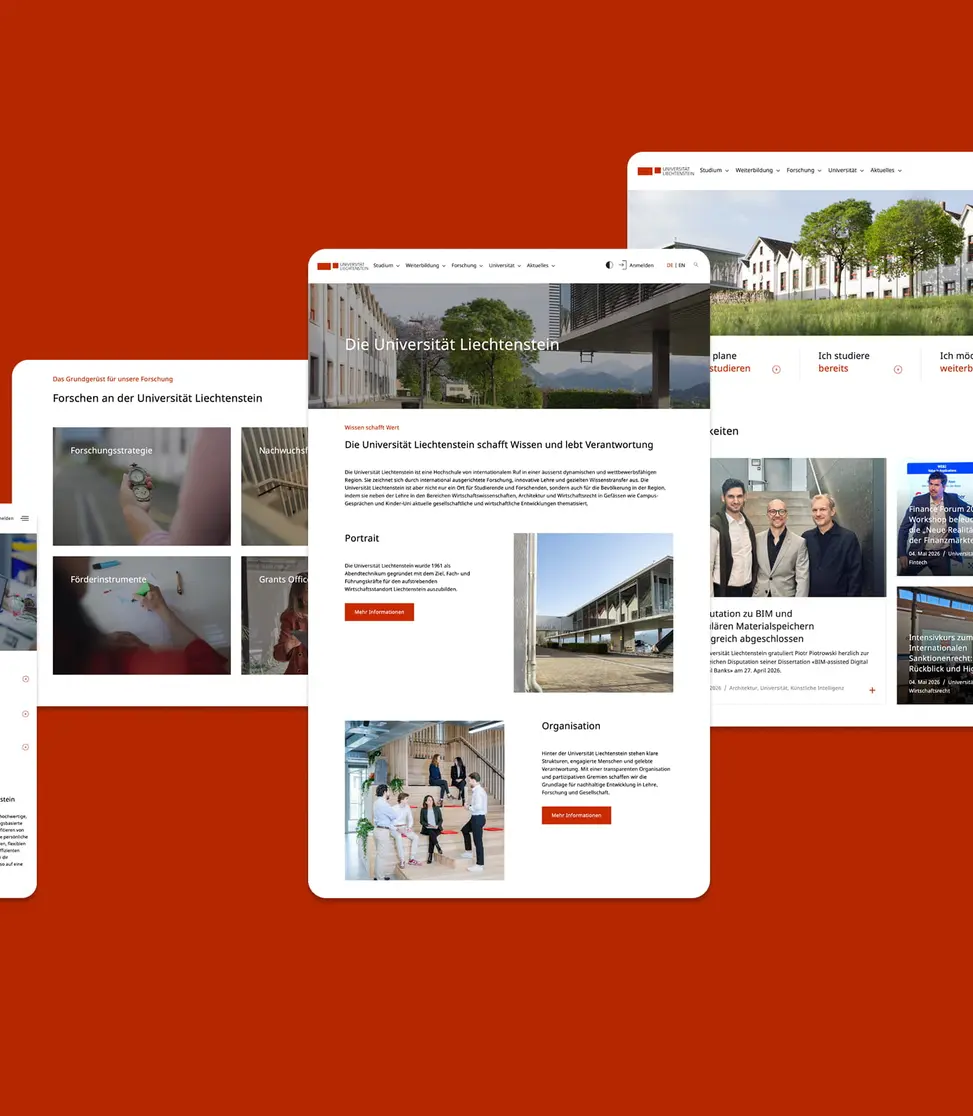
Reduction remains central, but will be reinterpreted in 2026. Clear layouts meet targeted accents such as strong typography, striking colours or fine micro-details. This creates interfaces that remain clear and yet develop identity and expressiveness.
6. Color & Whitespace
Farbe kehrt 2026 kraftvoll zurück. Dynamische Paletten, Gradients, Duotones und kontextabhängige Farbsysteme prägen digitale Auftritte. Farbe wird nicht nur dekorativ eingesetzt, sondern als erzählerisches Element, das Stimmung, Energie und Markenwerte transportiert. Gleichzeitig rückt Weißraum erneut in den Fokus. Die Farbe steht für Klarheit, Ruhe und Offenheit und wird häufig als gestalterische Erweiterung von Leerraum verstanden. Layouts gewinnen an Luftigkeit, Inhalte an Präsenz und visuelle Komplexität wird bewusst reduziert.
7. Human Design & Authentizität
With increasing automation, the human factor is becoming more important. Hand-drawn elements, authentic photography and deliberately unpolished texts create closeness and credibility. Design is once again seen more as a means of conveying emotions and telling stories. It is like a reaction to over-perfected interfaces that many designs are now consciously focussing on raw, visible processes. Sketchy elements, small irregularities and targeted friction create a sense of honesty and individuality. This aesthetic makes brands stand out from an increasingly uniform design landscape.


It accelerates the creative process, provides impetus and enables dynamic, personalised user experiences - without replacing human handwriting.
Thanks to modern frameworks and optimised browser technology, visual highlights can be created without compromising performance.
It describes layouts that break away from strict grid structures and allow more freedom, organic forms and visual tension.
Large, clear typography creates orientation and conciseness - and will very likely remain an integral part of modern websites beyond 2026.